
10605 Balboa Blvd., Suite 200 Granada Hills, CA 91344
16260 Ventura Blvd., Suite 600 Encino, CA 91436
555 Marin St., Suite 110 Thousand Oaks, CA 91360
Mon - Fri : 9:00 AM - 5:00 PM
Our dedicated Lung Nodule Program provides rapid evaluation, expert monitoring, and a clear plan — no hospital wait required.
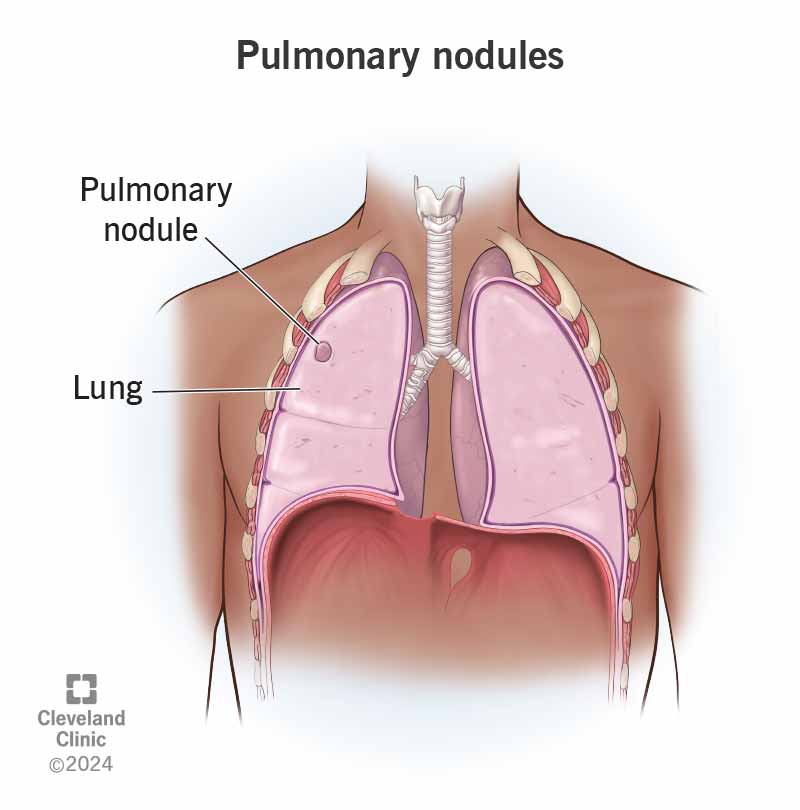
Pulmonary nodules are small spots or lesions found on the lungs during chest imaging studies such as X-rays or CT scans. These round or oval-shaped growths can range in size from a few millimeters to several centimeters in diameter. While the discovery of a lung nodule can be concerning, it is important to know that the majority of pulmonary nodules are benign (non-cancerous) and do not require treatment. However, proper evaluation and appropriate monitoring are essential to determine the nature of the nodule and ensure your health and safety.
Pulmonary nodules can be classified based on their characteristics and risk for malignancy. Common types include:
While most pulmonary nodules are benign, certain characteristics may indicate a higher risk of malignancy. Risk factors that warrant closer monitoring or further evaluation include nodule size greater than 1 centimeter, irregular or spiculated borders, rapid growth over time, and a personal or family history of lung cancer. Smokers and individuals with occupational exposures to asbestos or silica have an increased risk. Our specialists at PulmoCrit Associates will carefully assess all risk factors to develop an appropriate monitoring or treatment plan tailored to your specific situation.
Pulmonary nodules are typically discovered incidentally on imaging performed for other reasons. Once identified, diagnosis involves a careful assessment of the nodule's characteristics, including size, shape, density, and location. High-resolution CT scans provide the most detailed imaging information and are the gold standard for evaluating pulmonary nodules. Your pulmonary specialist will review the imaging and compare it to previous studies if available to determine if the nodule is stable, growing, or shrinking. In some cases, additional imaging, biopsies, or other diagnostic procedures may be recommended to establish a definitive diagnosis, particularly if malignancy cannot be ruled out.
Many benign pulmonary nodules require no treatment but do require periodic monitoring with follow-up CT scans to ensure they remain stable. The frequency of follow-up imaging depends on the size, appearance, and risk characteristics of the nodule. Small benign-appearing nodules may only require follow-up in 6 to 12 months, while nodules with more concerning features may require imaging every 3 months. Our experienced pulmonologists at PulmoCrit will establish a personalized follow-up schedule to ensure appropriate surveillance without unnecessary testing. Regular monitoring provides peace of mind and ensures early detection of any changes that may require intervention.
Treatment for pulmonary nodules depends on the underlying diagnosis. Benign nodules typically do not require treatment and are simply monitored with periodic imaging. If an infection is identified, antibiotics or other antimicrobial therapies may be prescribed. For nodules suspected to be malignant, treatment options may include surgery, radiation therapy, or other interventions. In some cases, a biopsy may be necessary to definitively diagnose the nature of the nodule. Your pulmonary specialist will discuss all available options and work with you to develop a treatment plan that best suits your individual needs. For concerns about lung cancer, our team provides comprehensive evaluation and expert guidance.
As part of a comprehensive evaluation, you may be referred for pulmonary function testing to assess your overall lung health and breathing capacity. These tests help establish a baseline for comparison and provide important information about how your lungs are functioning. This information is valuable in assessing your overall respiratory health and in planning any necessary interventions.

Bronchoscopy is a procedure that allows visualization of the airways and lungs. It can be used to obtain samples for biopsy if needed.
Learn More
A comprehensive pulmonary evaluation is essential for proper assessment and monitoring of pulmonary nodules and overall lung health.
Learn More
Pulmonary function tests measure how well your lungs are working and can provide valuable information about your respiratory health.
Learn More